Water Delivery Dispatch System for Canada's North
Across 13 villages in Nunavik, the Canadian sub-arctic, there was no piped water or wastewater system. Residents requested water delivery through radio, Facebook, or phone calls. Drivers coordinated routes by memory. People often went days without water. The KRG needed a system that worked in a place with limited connectivity and required community agreement.
The Problem in Context
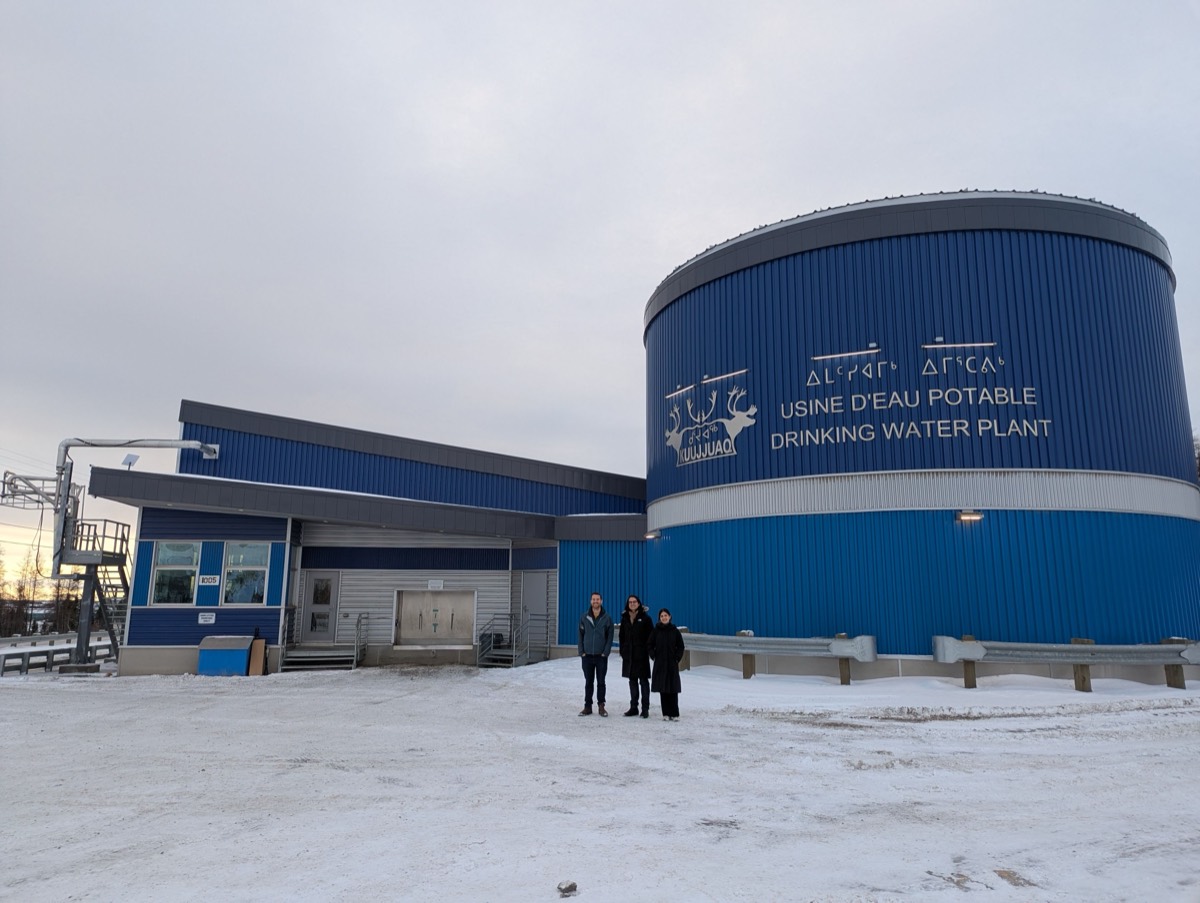
Nunavik is a region the size of France with 13 villages and a population smaller than a city neighborhood. There's a water treatment plant, but no pipes. No municipal water or wastewater system. When you need water, you call for a truck to deliver it to your home.
The dispatch system in place was analog. A driver would get a request over shortwave radio, add it to a mental list, and figure out the best route at the end of the day. If someone couldn't reach a driver, they'd post on Facebook hoping someone would see it. If it was urgent, they'd call the Northern Villages office and hope someone was there to answer.
People often went days without water. The KRG knew they needed something better, but they also knew that whatever they built had to work in a place with limited connectivity and would need community agreement to succeed.
Going North to Understand
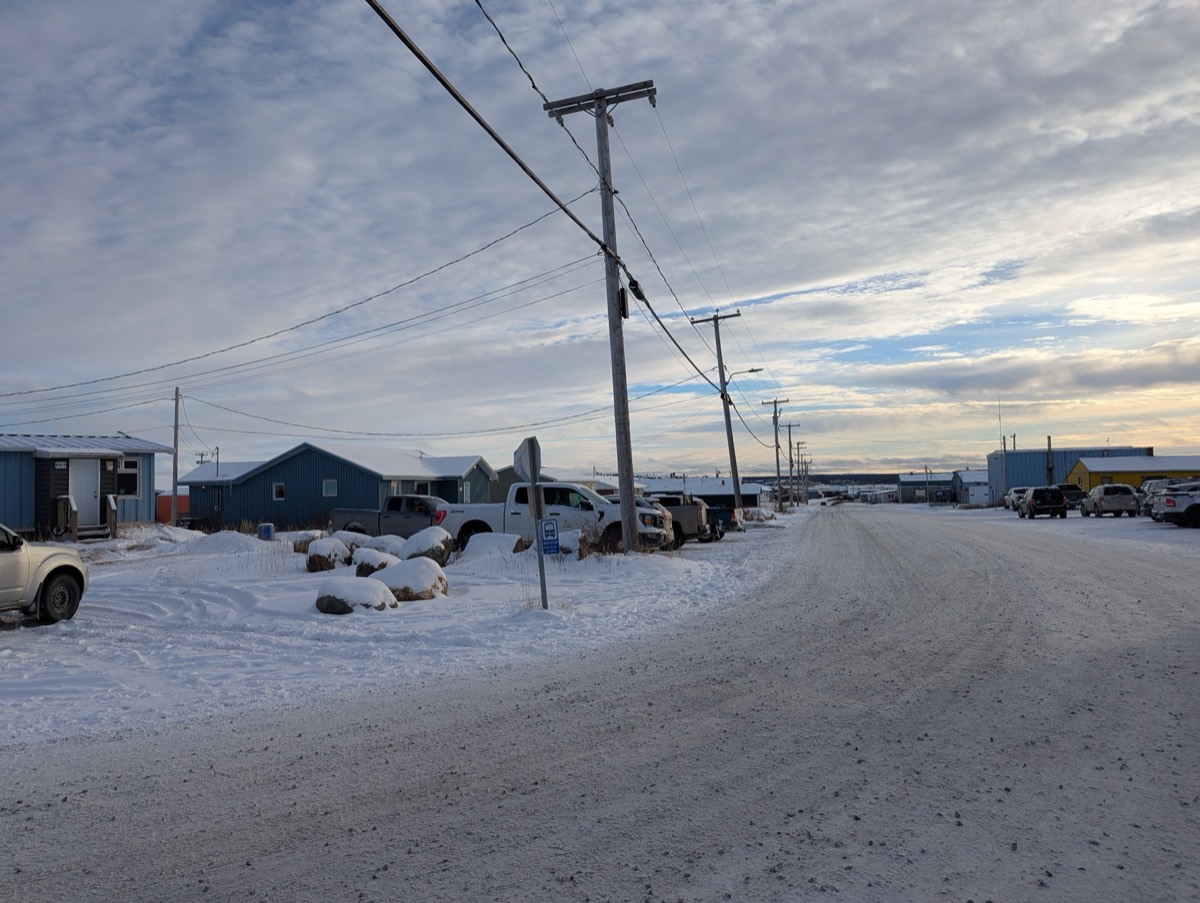
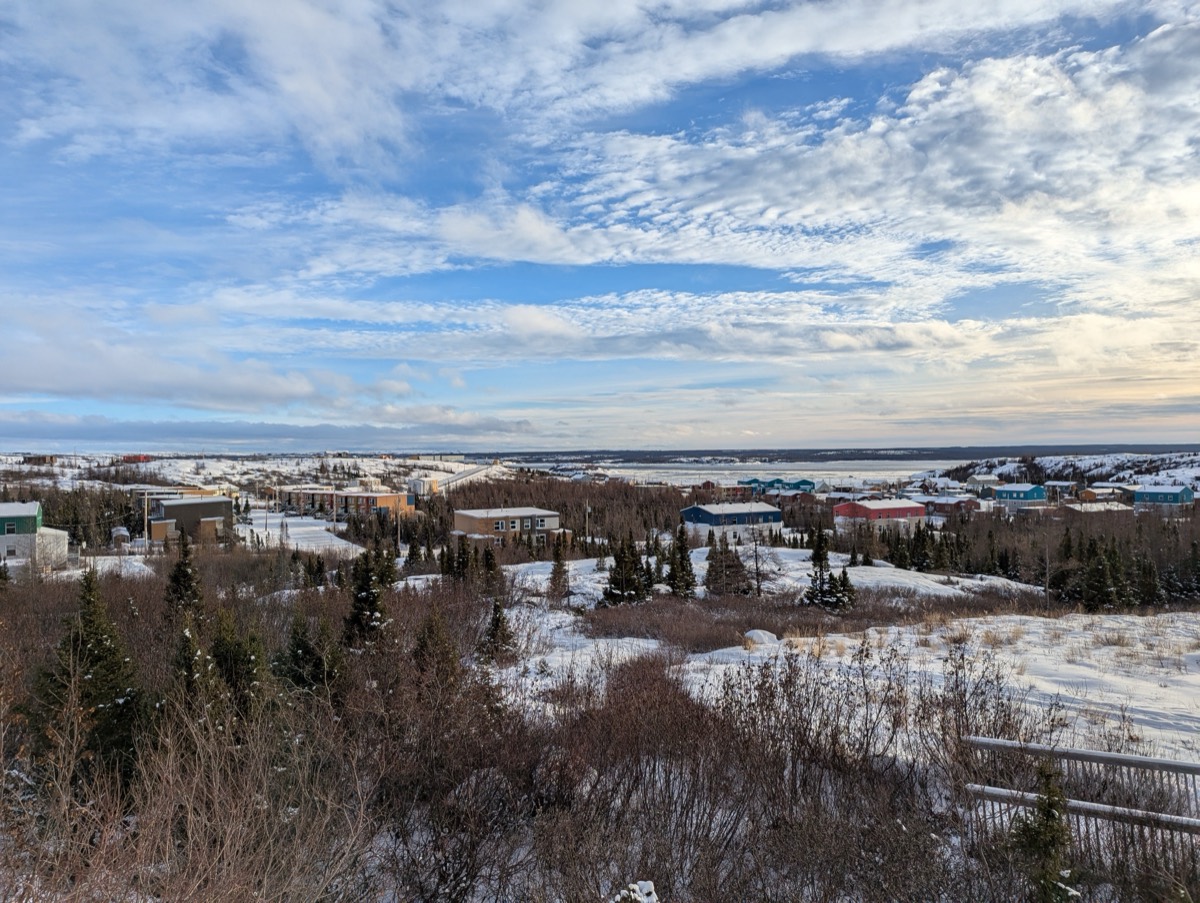
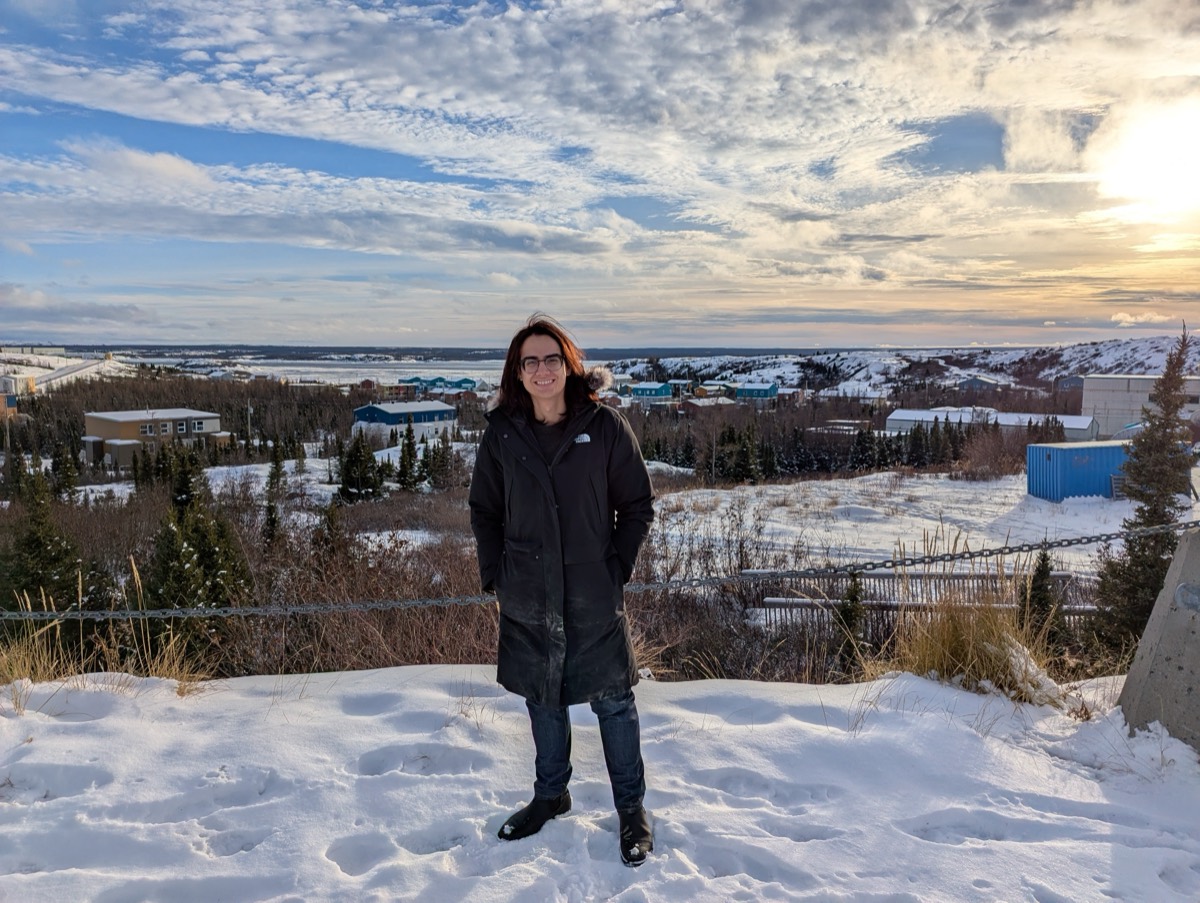
I went to Kuujjuaq for in-person community engagement rather than running a remote workshop. That meant sitting with the people who used the system every day.
I talked to drivers. They knew the geography, could navigate by landmarks instead of street names. The current system worked for routine deliveries. They wanted visibility into what was actually being requested.
I talked to residents. Some were elderly. Some lived in places that were hard to reach. They talked about frustration, about days without enough water, about worrying that a request would get lost in the noise.
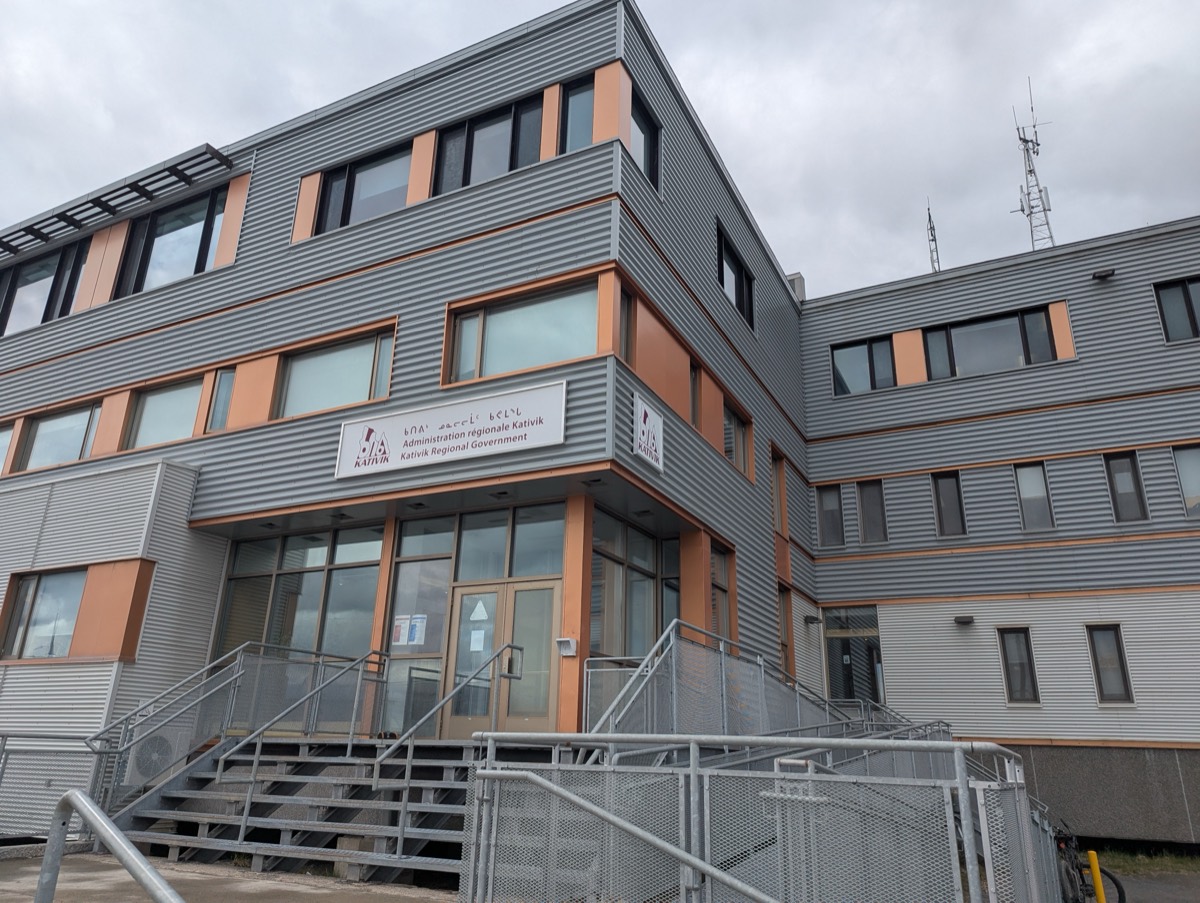
I talked to KRG staff. They wanted to know how many requests there really were. They wanted visibility. They wanted to be able to help drivers prioritize and manage the workload fairly.
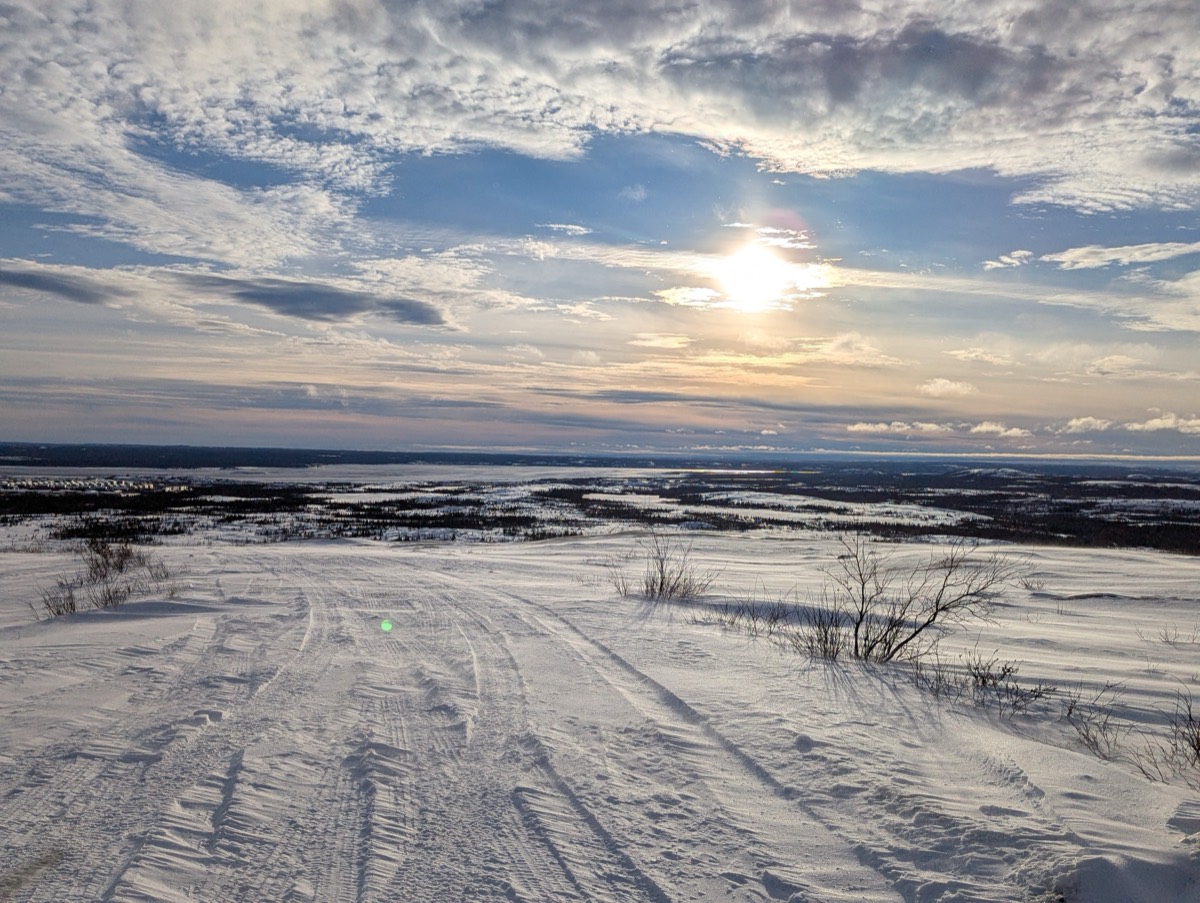
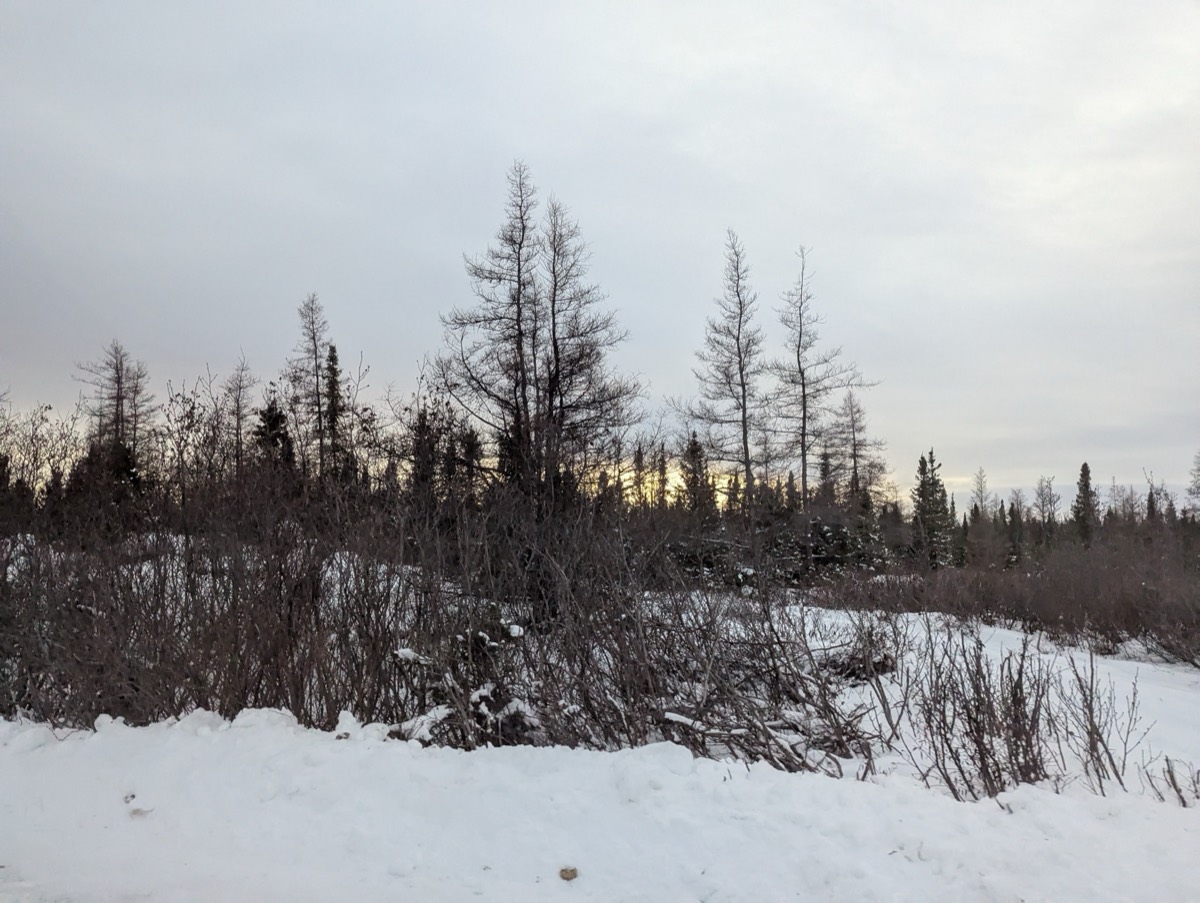
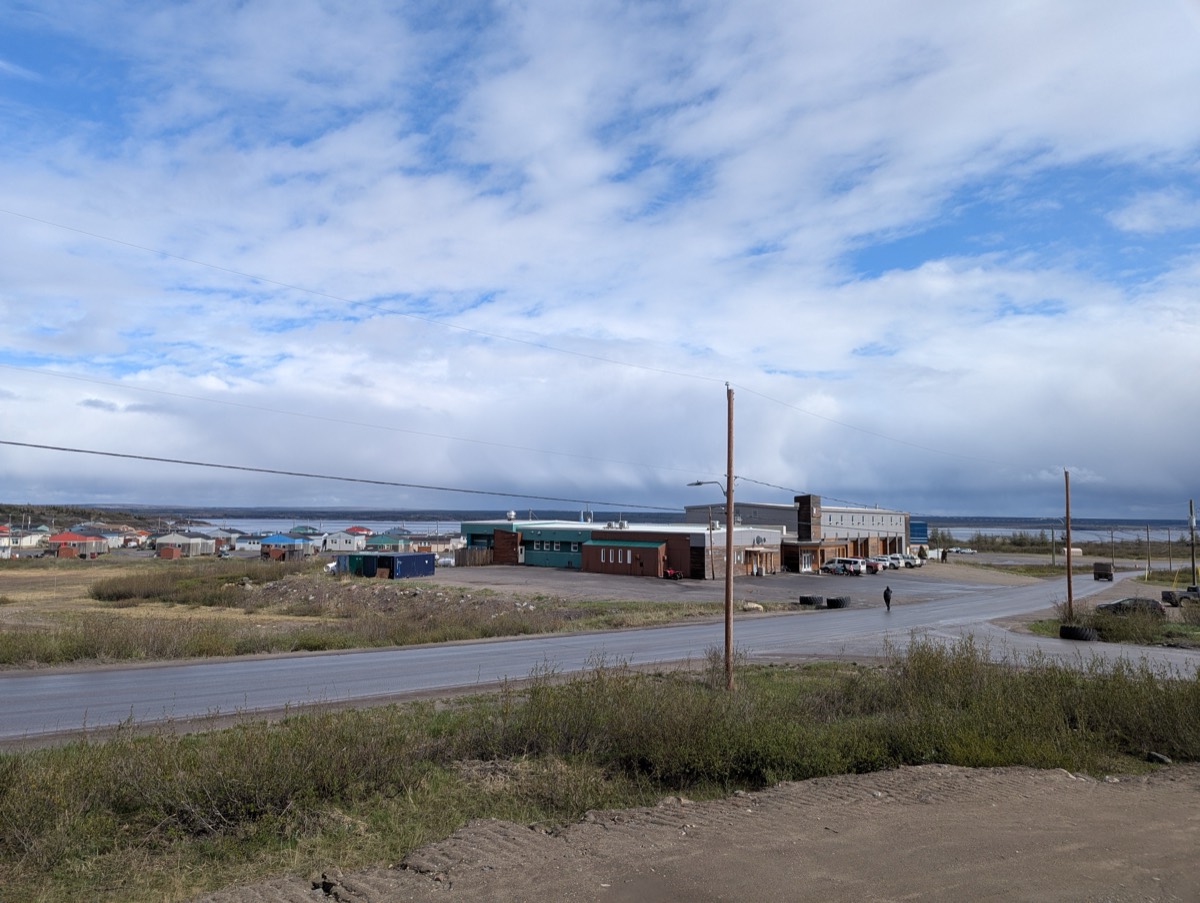
The geography of Nunavik is part of the problem. Distances are large. Connectivity is spotty. To design a system that worked, I needed to understand the actual constraints of the place.
Water Dispatch Workflow
Resident requests water via phone or app, drivers accept and deliver, system works offline
Co-Designing in the North
We didn't design a solution in Toronto and bring it up to Kuujjuaq. We designed it with the people who would use it.
I ran co-design workshops with drivers, residents, and KRG staff. We sketched out what a better system could look like. We talked about what information was critical. We worked through the constraints of the geography and the connectivity challenges. Buy-in from the community was essential, so we made sure everyone was on board before moving forward.
The solution that emerged was an app that drivers used to accept requests, see their route optimized for the geography, and report when deliveries were complete. On the resident side, it was simple. You request water. You can see the status. You know someone is coming.
Critically, the app worked offline. In Nunavik, connectivity is spotty. If someone can't download an update or connect to the internet right then, the system still works. The app syncs when connectivity returns.
Data Made the Problem Visible
The dispatch system revealed the scale of the water delivery challenge through transparent tracking
Launch and What We Learned
The app went live with 24 active drivers serving 2,800 residents. Since launch, it has logged over 160,000 service requests. The data revealed something important: there were 15,000 urgent, unplanned requests. That's about one emergency per household every week and a half.
The community was drowning in a problem that everyone could see now because we had made it visible. That data is powering the next phase. The KRG is working on expanding access to water treatment so fewer people have to rely on delivery. They're also planning to scale the app across Nunavik.
The system isn't perfect. Remote delivery in the north is inherently complex. But it's transparent. Drivers know what they're responsible for. Residents know what to expect. The KRG can see the scale of the problem and advocate for resources.
Key Learnings
• You can't design for remote communities from a desk. You have to go and spend time understanding the constraints and the culture.
• Offline-first design is a necessity in places with spotty connectivity, not a luxury feature.
• Making invisible problems visible (through data and transparency) is sometimes more valuable than solving the problem completely.
• Governance structures matter. In Inuit communities, decisions need to be made collectively, not by outsiders imposing solutions.